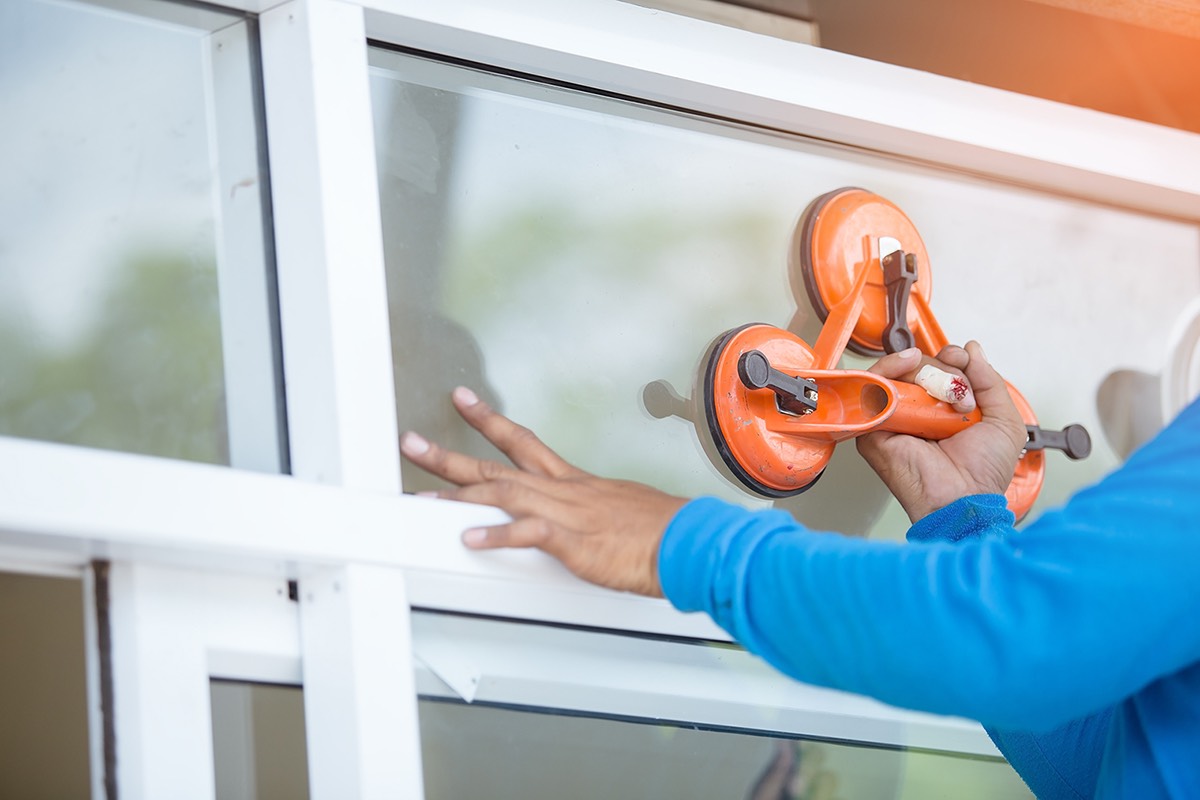
Responsible For An Storm Window Repair Budget? Twelve Top Tips To Spend Your Money
Navigating the Essentials of Storm Window Repair
Storm windows play an essential function in improving the energy effectiveness and convenience of homes, particularly in regions with severe weather. These secondary windows, set up outside the main ones, supply an additional barrier versus cold drafts, heat, and sound. Nevertheless, like any other home enhancement component, storm windows can experience wear and tear gradually. This short article looks into the essentials of storm window repair, offering property owners a thorough guide to preserving and repairing these vital functions.
Comprehending Storm Windows
Before diving into the repair process, it's essential to understand the structure and function of storm windows. Normally made of glass, plastic, or acrylic, storm windows are developed to fit comfortably over existing windows. They are available in numerous designs, including:
- Fixed Storm Windows: These are non-operable and offer a permanent solution.
- Operable Storm Windows: These can be opened and closed, permitting for better ventilation.
- Temporary Storm Windows: These are seasonal and can be eliminated when not needed.
Typical Issues with Storm Windows
- Leaks and Drafts: Over time, seals and gaskets can degrade, resulting in air leaks and increased energy expenses.
- Cracked or Broken Glass: Exposure to severe weather can cause glass to crack or break.
- Loose or Damaged Frames: Frames can end up being loose or harmed due to age, improper installation, or environmental factors.
- Fogging: Moisture can become trapped between the storm window and the main window, triggering fogging and minimizing presence.
- Problem in Opening and Closing: Hinges and latches can wear, making it difficult to operate the windows.
Do It Yourself Storm Window Repair Tips
While some issues may need expert attention, numerous can be attended to with simple DIY methods. Here's a step-by-step guide to some typical repairs:
1. Changing Seals and Gaskets
- Recognize the Problem: Check for gaps or spaces in between the storm window and the frame.
- Remove the Old Seal: Use an energy knife to thoroughly remove the old seal or gasket.
- Measure and Cut the New Seal: Measure the length of the brand-new seal and cut it to fit.
- Install the New Seal: Apply a thin layer of silicone adhesive to the frame and press the new seal into location.
2. Changing Cracked or Broken Glass
- Security First: Wear gloves and safety glasses to protect yourself from sharp edges.
- Get Rid Of the Old Glass: Carefully pry out the old glass utilizing a putty knife.
- Procedure and Cut the New Glass: Measure the opening and cut the brand-new glass to fit.
- Install the New Glass: Apply new glazing substance around the edges of the opening and press the brand-new glass into place. Enable the compound to dry before painting or finishing.
3. Tightening Loose Frames
- Examine the Screws: Inspect the screws that secure the frame to the window. Tighten any loose screws.
- Include Shims: If the frame is still loose, include shims between the frame and the window to provide extra assistance.
- Recaulk the Frame: Apply a brand-new layer of caulk around the frame to ensure a tight seal.
4. Removing Fogging
- Identify the Cause: Fogging is typically due to a damaged seal in between the storm window and the primary window.
- Remove the Storm Window: Carefully get rid of the storm window to access the seal.
- Replace the Seal: Follow the actions for changing seals and gaskets.
- Re-install the Storm Window: Ensure it fits snugly and is properly sealed.
5. Fixing Hinges and Latches
- Lubricate the Hinges: Use a silicone-based lube to grease the hinges.
- Tighten up the Screws: Inspect and tighten up any loose screws on the hinges and latches.
- Replace Damaged Parts: If the hinges or latches are harmed beyond repair, replace them with brand-new ones.
Professional Storm Window Repair
For more complicated concerns, such as severely harmed frames or intricate installation issues, it's finest to look for professional assistance. Here are some steps to follow:
- Assess the Damage: Determine the degree of the damage and whether it can be repaired or if a replacement is needed.
- Contact a Professional: Reach out to a reputable window repair service or specialist.
- Get a Quote: Request a detailed quote that consists of the expense of materials and labor.
- Arrange the Repair: Set a date for the repair and ensure the specialist has all the essential tools and products.
- Inspect the Work: After the repair, check the window to guarantee it is functioning effectively and is securely set up.
Preventive Maintenance
Routine maintenance can considerably extend the life of storm windows and avoid costly repairs. Here are some preventive procedures:
- Clean the Windows: Regularly tidy the storm windows to eliminate dirt and debris.
- Examine the Seals: Check the seals and gaskets yearly and replace them as required.
- Look for Damage: Look for any signs of damage, such as fractures or loose frames, and address them without delay.
- Lube Moving Parts: Lubricate hinges and latches to keep them working smoothly.
- Recaulk as Needed: Apply a fresh layer of caulk around the frames to keep a tight seal.
Frequently asked questions
Q: How frequently should I replace the seals on my storm windows?A: Seals must be replaced every 5-10 years, depending upon the product and environmental conditions. Annual assessments can assist you figure out when replacements are required.
Q: Can I install storm windows myself?A: Yes, you can install storm windows yourself if you have fundamental DIY abilities. However, for a precise and secure setup, it's often best to hire an expert.
Q: What type of storm window is best for my home?A: The finest type of storm window depends on your climate and particular needs. Repaired storm windows are ideal for locations with consistent weather condition, while operable ones are much better for areas with varying temperature levels and the requirement for ventilation.
Q: How can I prevent fogging in between the storm window and the main window?A: To avoid fogging, guarantee that the seal in between the storm window and the main window is tight and without spaces. Frequently inspect and replace harmed seals.
Q: What should I do if my storm window is hard to open or close?A: If your storm window is difficult to run, lubricate the hinges and latches. If this doesn't solve the problem, the hardware may be harmed and require replacement.
Storm windows are an important part of any home's energy effectiveness and comfort. By understanding common issues and following the DIY repair pointers supplied, homeowners can keep their storm windows and avoid more substantial issues. For complicated repairs, expert support is recommended. Routine maintenance and preventive steps can also assist make sure that storm windows continue to function successfully for years to come. Whether residential window repair taking on a little repair or planning a significant replacement, the secret is to attend to concerns without delay and ensure a tight, protected fit.
By putting in the time to care for your storm windows, you can enjoy a more comfortable, energy-efficient home, despite the weather condition outside.